

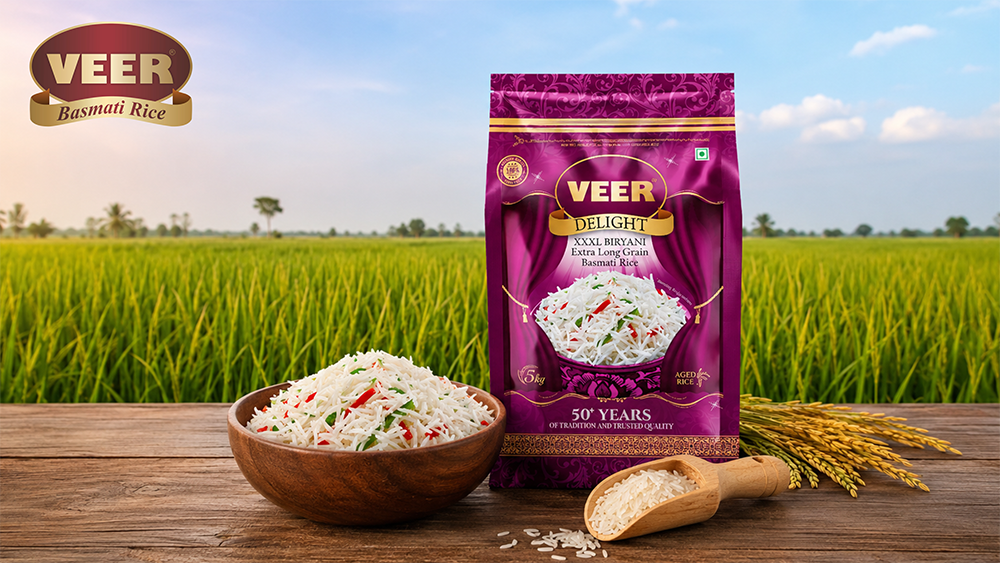
When shopping for Basmati rice, you’ve likely come across terms like aged, premium, or extra-long grain. While these labels may seem similar, one factor plays a significant role in determining the quality of Basmati rice — ageing.
Aged Basmati rice is widely regarded as the gold standard for its rich aroma, exceptional grain length, and fluffy texture. But how does it differ from fresh Basmati rice, and is it worth the higher price?
In this guide, we’ll explore the key differences between aged and fresh Basmati rice to help you make the right choice for your kitchen.
What Is Aged Basmati Rice?
Aged Basmati rice is rice that has been carefully stored under controlled conditions after harvesting for a specific period before it reaches consumers. Unlike fresh rice, ageing allows the grains to naturally mature, improving their cooking performance and enhancing the signature qualities that Basmati rice is known for.
This traditional process is an essential part of delivering premium-quality Basmati rice that meets the expectations of both domestic and international buyers.
How Long Is Basmati Rice Aged?
Premium Basmati rice is generally aged for 12 to 24 months, depending on the variety and the quality standards of the producer.
During this time, the moisture content within the grains gradually decreases. This natural change results in rice that cooks better, absorbs flavours more effectively, and develops a stronger, more distinct aroma.
While ageing requires additional storage and careful quality control, it significantly improves the overall dining experience.
How Ageing Enhances Basmati Rice
1. Richer Aroma
One of the defining characteristics of Basmati rice is its distinctive fragrance. As the rice ages, its naturally occurring aromatic compounds become more pronounced, giving cooked rice the signature aroma loved by chefs and home cooks alike.
2. Longer Grain Expansion
Aged Basmati rice expands more during cooking while maintaining its slender shape. The grains become noticeably longer without breaking or sticking together, making every serving visually appealing.
3. Fluffier Texture
Freshly harvested rice often contains more moisture, which can make the cooked grains softer or slightly sticky. Aged Basmati rice cooks into separate, fluffy grains with a light texture that complements a variety of dishes.
4. Better Flavour Absorption
Whether you’re preparing a fragrant biryani, a rich pulao, or a simple steamed rice dish, aged Basmati rice absorbs spices and seasonings more effectively, resulting in a deeper and more balanced flavour.
Aged Basmati Rice vs Fresh Basmati Rice
| Feature | Aged Basmati Rice | Fresh Basmati Rice |
| Aroma | Strong, rich and distinctive | Mild aroma |
| Grain Length After Cooking | Excellent elongation | Moderate elongation |
| Texture | Light, fluffy and separate grains | Softer and slightly stickier |
| Flavour Absorption | Excellent | Moderate |
| Best For | Biryani, pulao, festive meals and fine dining | Everyday cooking |
| Price | Premium | More economical |
Which Dishes Benefit Most from Aged Basmati Rice?
Aged Basmati rice is the preferred choice whenever presentation, aroma, and texture matter.
It works exceptionally well for:
- Biryani
- Pulao
- Fried Rice
- Jeera Rice
- Saffron Rice
- Mughlai and North Indian delicacies
- Special festive meals
- Restaurant-style preparations
The long, separate grains enhance both the visual appeal and the overall eating experience.
Is Aged Basmati Rice Worth the Higher Price?
For many consumers, the answer is yes.
Although aged Basmati rice costs more due to the extended storage process, it delivers better cooking performance, superior aroma, and greater grain expansion.
In many cases, the rice also absorbs water more efficiently during cooking, meaning you may require slightly less rice per serving compared to fresh varieties.
For special occasions, hospitality businesses, restaurants, and anyone looking for authentic premium quality, aged Basmati rice offers excellent value.
How to Identify Genuine Aged Basmati Rice
With so many options available in the market, it’s important to choose authentic, premium-quality rice.
Here are a few things to look for:
- Extra-long, slender grains
- Naturally pleasant aroma even before cooking
- Uniform grain size
- Trusted manufacturer or exporter
- Clear product information and quality certifications
- Rice that cooks into long, separate grains without becoming sticky
Purchasing from an experienced and reputable exporter ensures consistent quality and authenticity.
Why Chefs and Exporters Prefer Aged Basmati Rice
Professional chefs value consistency. They need rice that delivers the same exceptional results every time.
Aged Basmati rice provides:
- Superior presentation
- Better cooking consistency
- Excellent flavour absorption
- Enhanced aroma
- Premium dining experience
These qualities also make it the preferred choice for exporters serving international markets where premium Basmati rice is highly valued.
Choose Premium Quality with Veer Overseas
At Veer Overseas, we understand that exceptional rice begins with exceptional quality standards.
Our premium Basmati rice is sourced from the fertile Himalayan foothills, carefully processed, and maintained under stringent quality controls to preserve its natural aroma, purity, and long-grain excellence.
Whether you’re a distributor, retailer, restaurant, or home cook, choosing premium-quality Basmati rice from Veer Overseas ensures every meal delivers the authentic taste and texture that Basmati is celebrated for around the world.
Explore our range of premium Basmati rice and experience the difference that quality makes.
Final Thoughts
The difference between aged and fresh Basmati rice goes far beyond time. Ageing enhances the qualities that make Basmati rice truly exceptional—its aroma, grain length, texture, and overall cooking performance.
If you’re looking for a premium dining experience, aged Basmati rice is a worthwhile investment. Its superior quality transforms everyday meals into memorable ones, making it the preferred choice for chefs, exporters, and discerning consumers across the globe.